
In Jev We Trust (But Should We?)
In a market that sees versions of LLM models being announced every two weeks, a new contender usually means it is a bit better / cheaper than its predecessor in a given benchmark.
Then comes Jev, which claims to be 200x faster and 400x cheaper than traditional LLMs. Those are bold claims and, of course, it didn’t take long to see many covering the topic, like the one below

It is so tempting to fall for those claims and think that everything we knew so far has changed. However, it is important to go beyond the headlines and try to understand why Jev represents meaningful progress, but one that does not remove LLMs but works alongside them.
As this article covers, the difference is that traditional LLMs were created with the conversational aspect in mind (remember how it all started with chat?). So you provide the question in natural language and receive an answer in the same way.
This applies when you provide other types of media, including code generation, where instead of a question, there is a specification, and the answer is the code.
However, there are certain cases where, instead of text or code, we need to make decisions based on the same natural language context.
A prime example is an agentic flow that receives an email and needs to decide which department is best suited to handle the customer request.
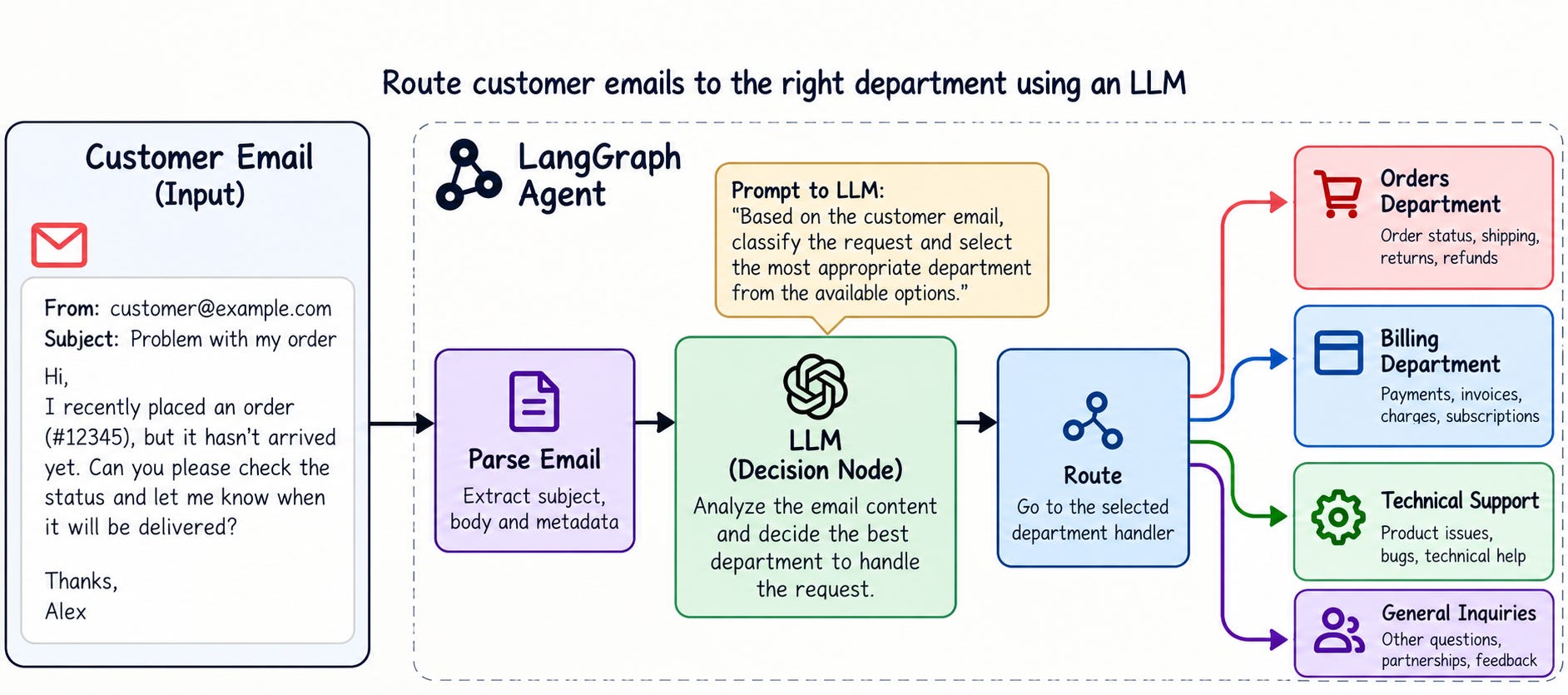
Traditionally, it could look like that. The LLM would use your prompt to determine which department it is, and then the routing node would direct the email there.
Jev (a system one model) focuses on solving problems like this. It currently offers 3 types of questions you can ask:
Is this true (Noul)
What is the best option (Choice)
What is the scale (Score)
You provide a state (your context) + the questions you want it to answer, and it provides the answers.
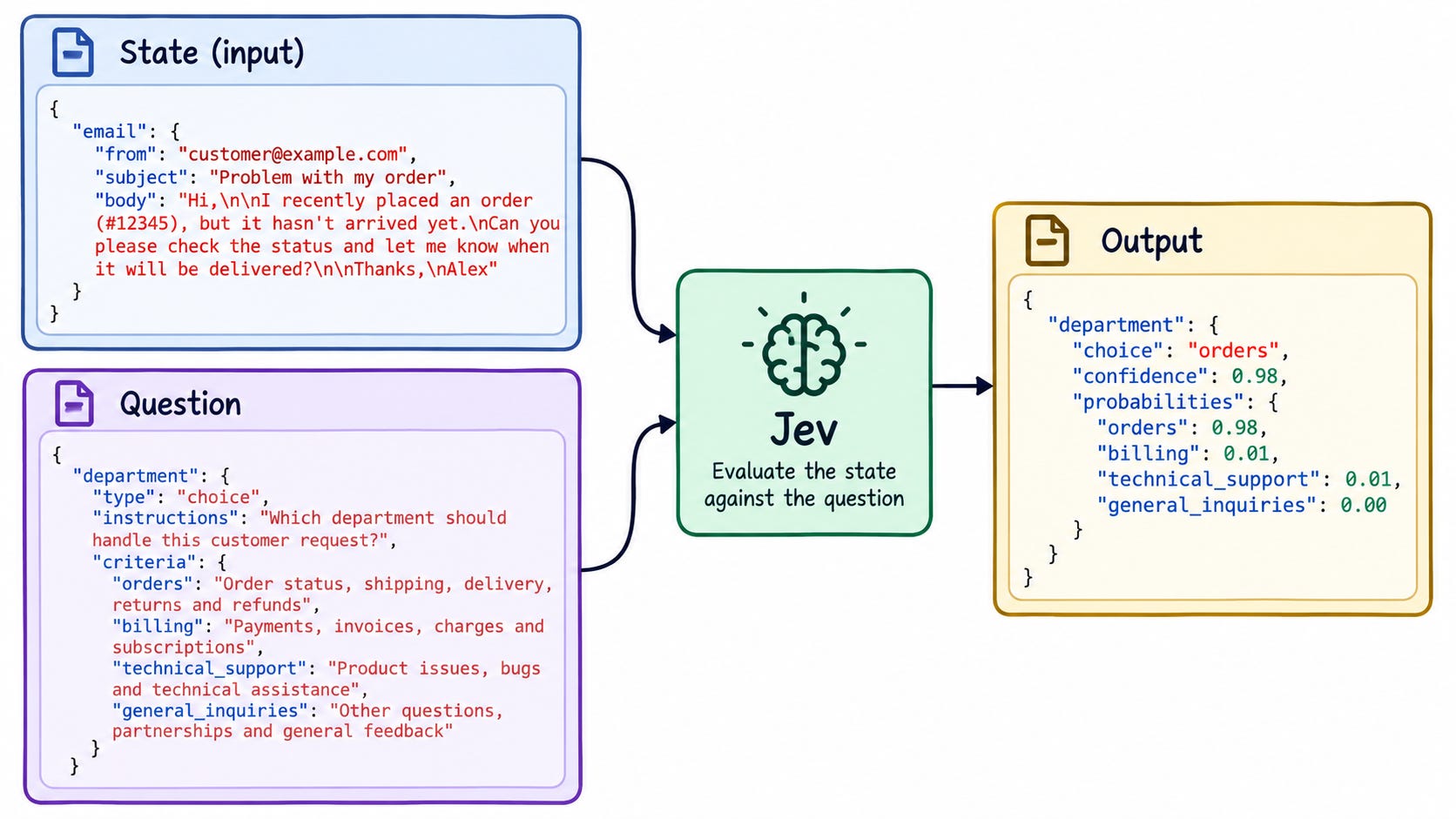
You can argue that we can use LLMs to make such decisions, and you would be right. Many solutions out there do so, but the key point is how efficient those calls are.
If you have a solution that still leverages training on vast amounts of data, but it is optimized for the decision-making aspect, you can find a more cost-effective, latency-friendly solution for agentic use cases.
By using both approaches together, you can have system-one models make decisions, guide deterministic branches of the workflow, and have LLMs handle tool calling and output generation.
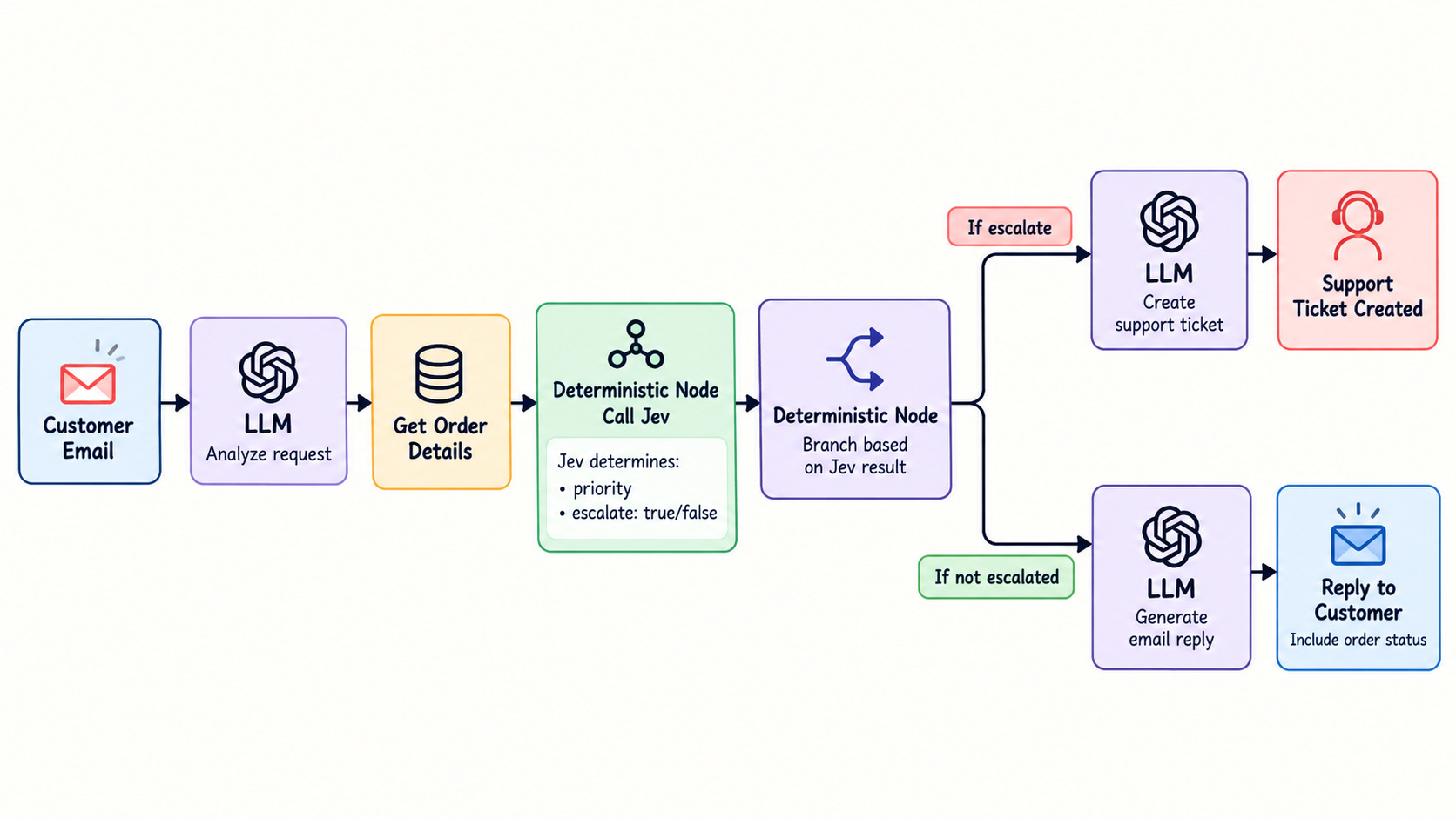
Jev represents a nice change, looking at solving parts of the problem from a different angle, which is always helpful to avoid abusing a solution, even if as versatile as LLMs for everything. But Jev is not alone in this space, so keep an eye out for other contenders as well.
Being Customer Zero
Earlier in 2026, Cloudflare announced EmDash, a successor to WordPress created with security and scalability in mind.
In a recent article, they described a journey that culminated in migrating their own blog to the new platform.
The process contains the usual steps you would take:
Document the existing use cases
Document the non-functional requirements (such as latency and scale)
Validate and test that the new solution can meet both cases
Progressive rollout, monitoring the case
Measure the result (performance gains)
If we focus solely on the scalability aspect, Cloudflare established 3 scenarios to validate the viability of EmDash:
Ramp
The volume gradually increases up to 3x of the documented production baseline and then reduced
Breakpoint
The volume increases from 0 to 100 RPS over a 10 minute period (or before if it breaks)
Burst
The volume goes from 0 to 7000 RPS immediately
Together, the scenarios capture the extreme cases that their blog goes through, and the 3x nature provides insight into how EmDash would accommodate future growth.
As for the architecture, they relied on a multi-layer caching approach, with the first cache being the fully rendered pages in the Workers Cache. If the page needs to be generated by EmDash, it can rely on the second layer that holds the content in the KV object cache. The third layer is provided by a cache of recent database queries.
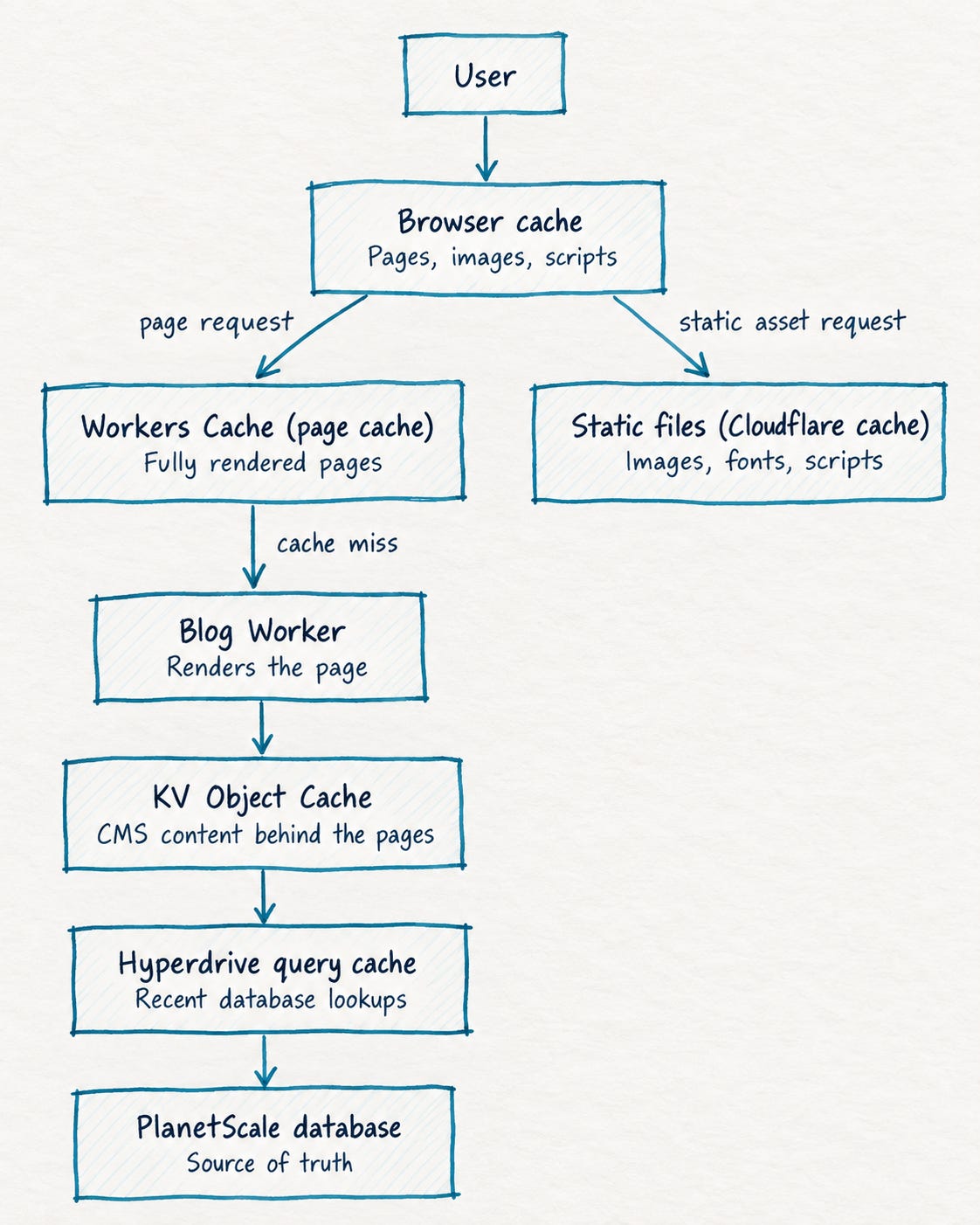
For the rollout, they selected a zero-downtime approach. Both solutions were available, and a proxy split the traffic. Because of this, they could fall back to the legacy version in the case of issues.
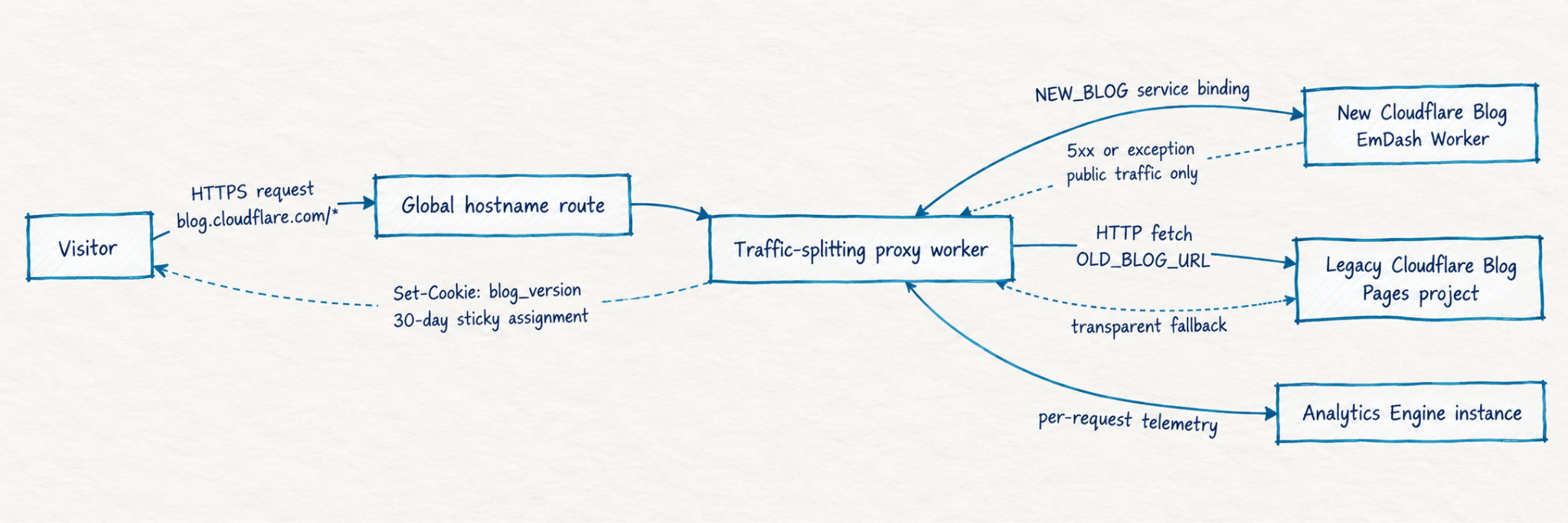
One key aspect of the migration was the telemetry that enabled them to monitor the requests as they increased the traffic split. Problems not only led to the fallback to the legacy, but also provided valuable insight to address production issues that did not manifest during testing.
While the article exposes the migration and the new architecture, it contains one aspect that deserves to be highlighted: the culture of being the customer zero. By putting yourself as the first customer, you go through all the potential pains and hurdles your paying customers would, giving you the chance to further understand the real needs and problems.
Having this approach is extremely valuable and should be embraced, even if all your customers are internal. Until you put yourself in their shoes, it is easy to overlook how far off your solution may be from the actual users.
When Best Practices Can Backfire: Multi-Tenant Edition
As you progress in your software development career, you are bound to discover (or be presented with) the best practices you should follow. The intent is correct: avoid repeating the same mistakes
The tricky part is when you follow the best practices dogmatically, without truly understanding the context that makes them turn from best practices to bad practices.
If you develop a multi-tenant application, this article may give additional food for thought, going over some of the costs associated with practices commonly used:
Don’t pass the tenant ID around everywhere
Use global query filters
Use a database per tenant
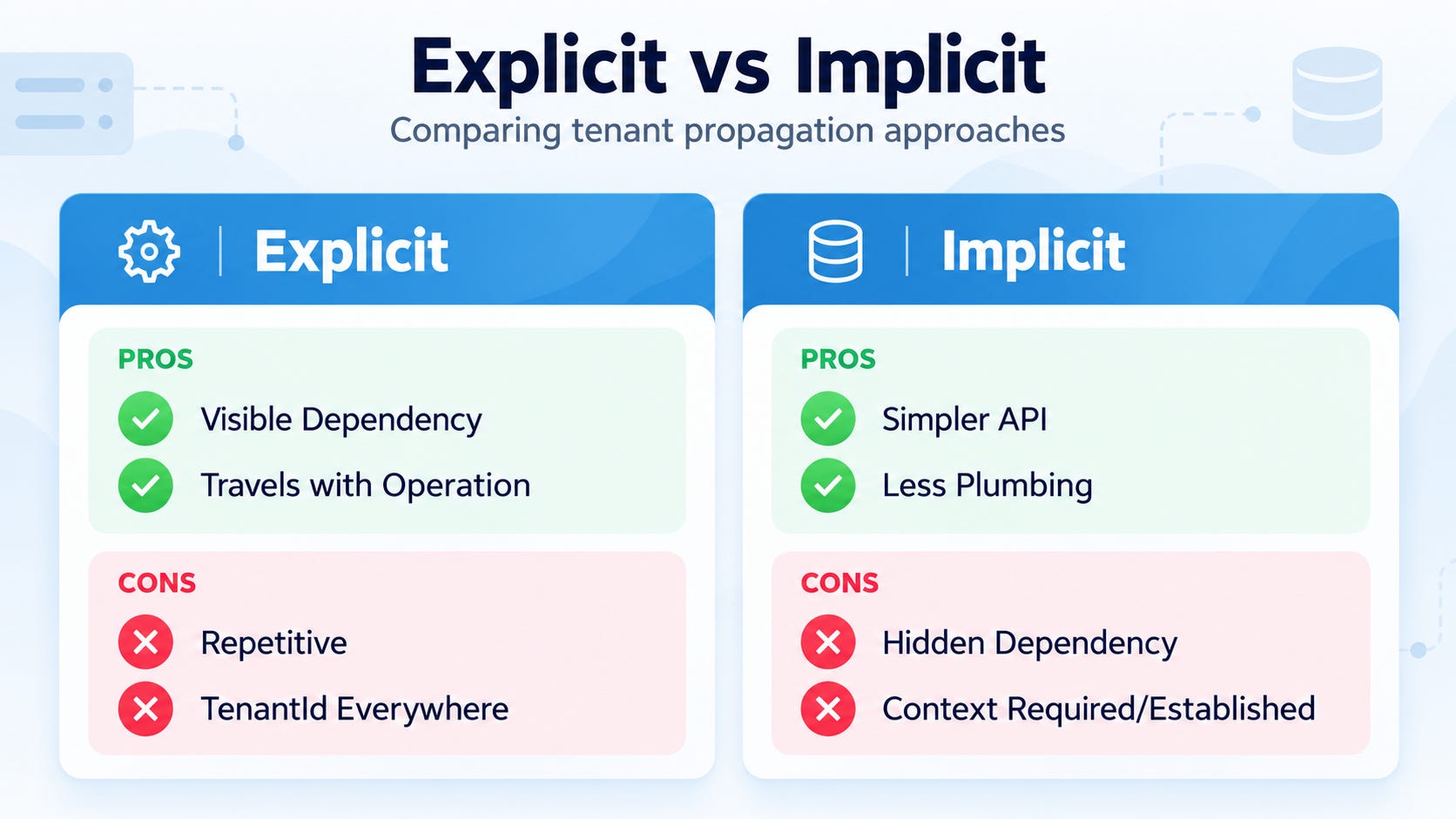
The simplest example is the explicit x implicit tenant identity.
You need the tenant to properly control the flow of information, afterall you do not want tenant A having access to the information from tenant B.
One approach is to obtain the tenant from the identification of the request (from key, token, etc.) and pass it along the call stack.
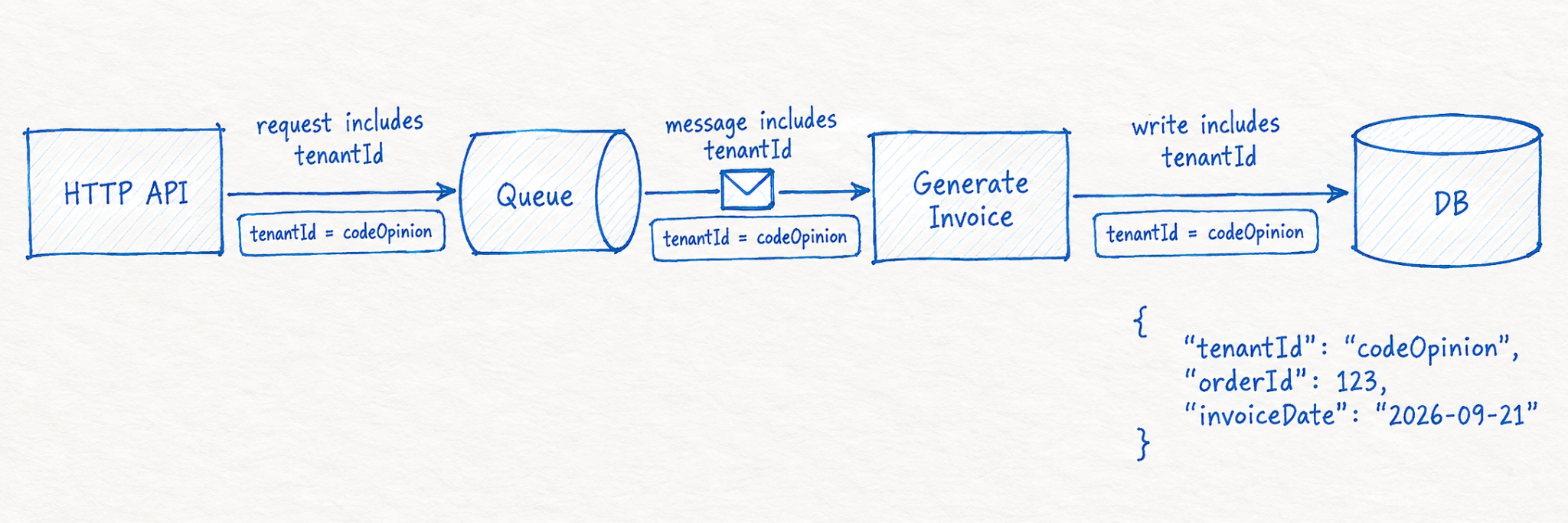
Then comes the advice to avoid it and create a Global Tenant Context that is available as part of the execution.
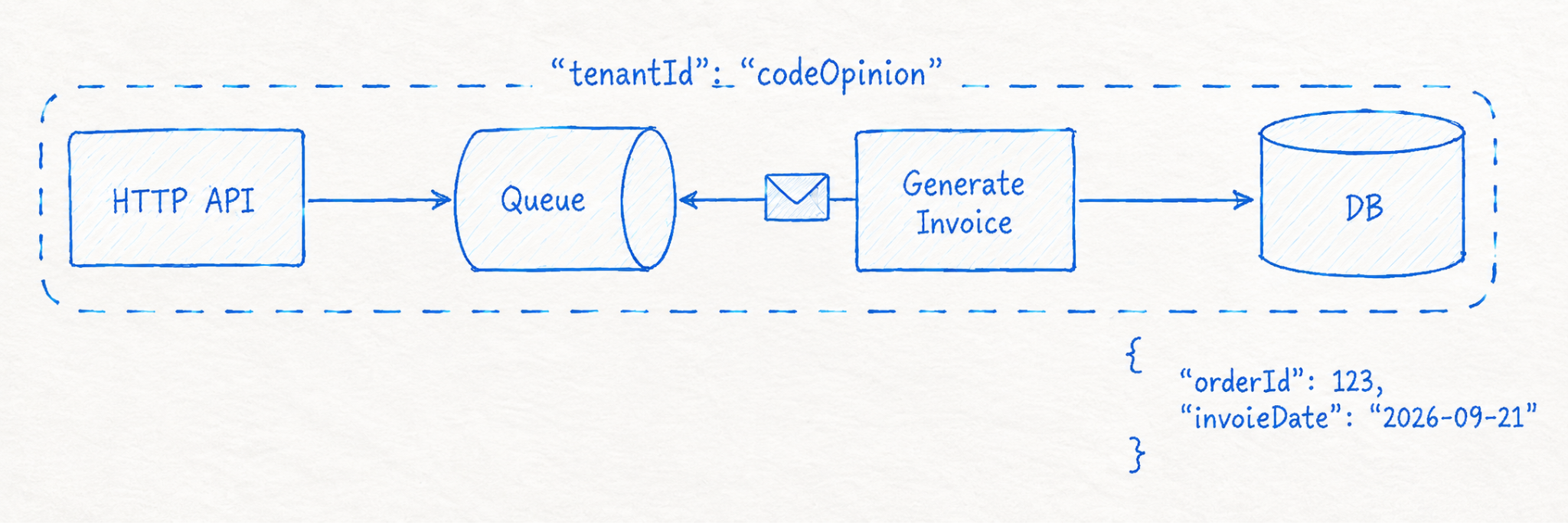
It works, but the justification that being simpler because you removed the tenant misses the fact that the tenant wasn’t eliminated; it was just hidden as part of this newly introduced context.
You traded the simplicity of the explicit dependency for the complexity of handling the tenant context creation and update (think of multi-threaded solutions).
Do not want to use filtering by tenant? Separate each into its own database! But what happens if the number of databases is limited per server? Or the cost of a single database is too high compared to the actual usage?
Ultimately, the reminder is that with any option we choose, we have to understand its costs, the problems it solves, and the problems it creates.
So the next time someone approaches you with a best practice, ask yourself: what conditions must be met for that to be true, and what complexity is truly removed vs. just shifted from your view but still needs to be addressed.