Code Mode: A better Way to Use MCP?
Plus the most used database engine you may never have heard of and Resume as code!

I have been covering MCP for a while, including the debate over its relevance and how to balance it with agent skills.
One of the drawbacks commonly associated with MCP is its reliance only on tools and on overloading the precious context window, even if you never plan to call that tool.
There are ways to handle this, such as splitting the MCP server into smaller, more focused ones or replacing it with agent skills + CLI invocation.
Cloudflare went a different way, as they converted the MCP tools into a Typescript API and then leveraged LLM to write the code. They called it the code mode.
One of their arguments is that LLMs are good at writing code, and MCP, while designed to support tool calling, does not have to be used that way.
So the MCP server, when running in code mode, presents itself with just two tools to the client.
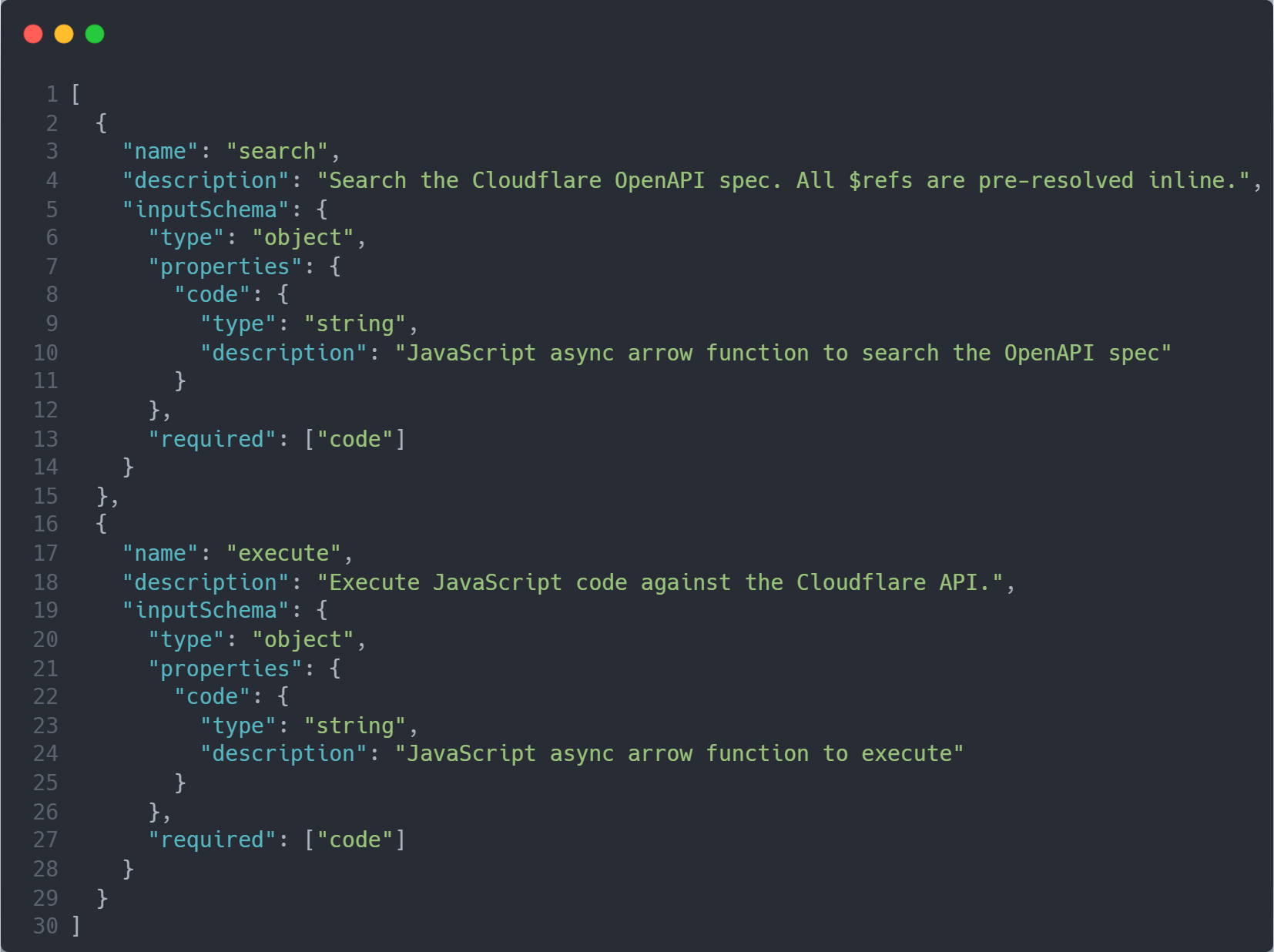
The server returns the API spec you want to use, and the LLM generates the code that will access that API. That, in turn, is executed in a sandbox
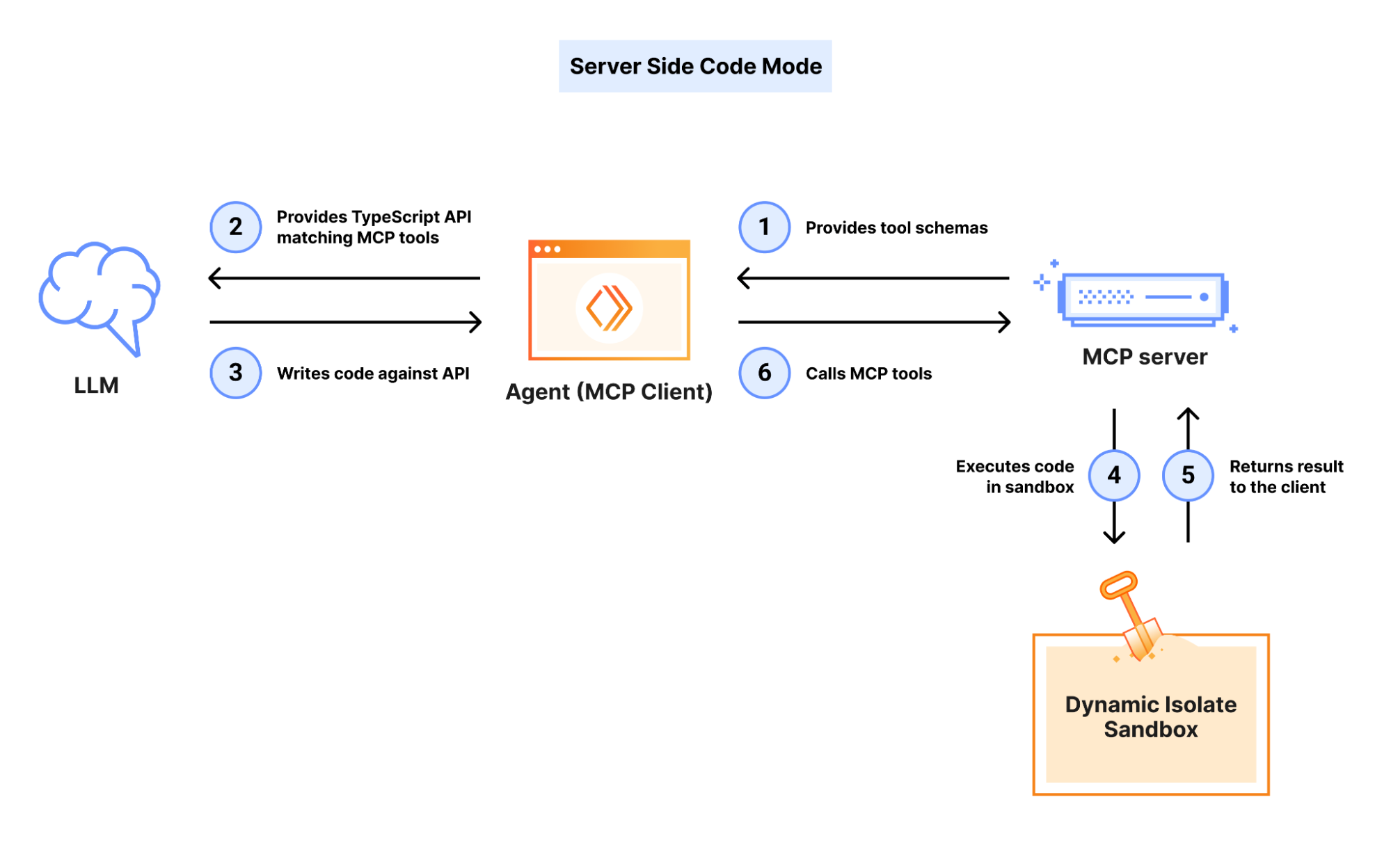
It is an interesting approach when you have good reasons to use MCP but need to balance the lack of progressive disclosure that the protocol still has.
In the case of Cloudflare, they achieved 99.9% reduction in the token usage of the MCP definition, from 2500 endpoints to 2.
SQLite: The Most Widely Deployed Database Engine
As a backend developer, choosing the persistence technology is the second topic that you end up discussing.
While NoSQL (and variants) saw a lot of interest and may be the go-to these days, SQL-based offers are still valid and used. MySQL, Postgres, Oracle, MS SQL Server are regularly the options discussed and deployed.
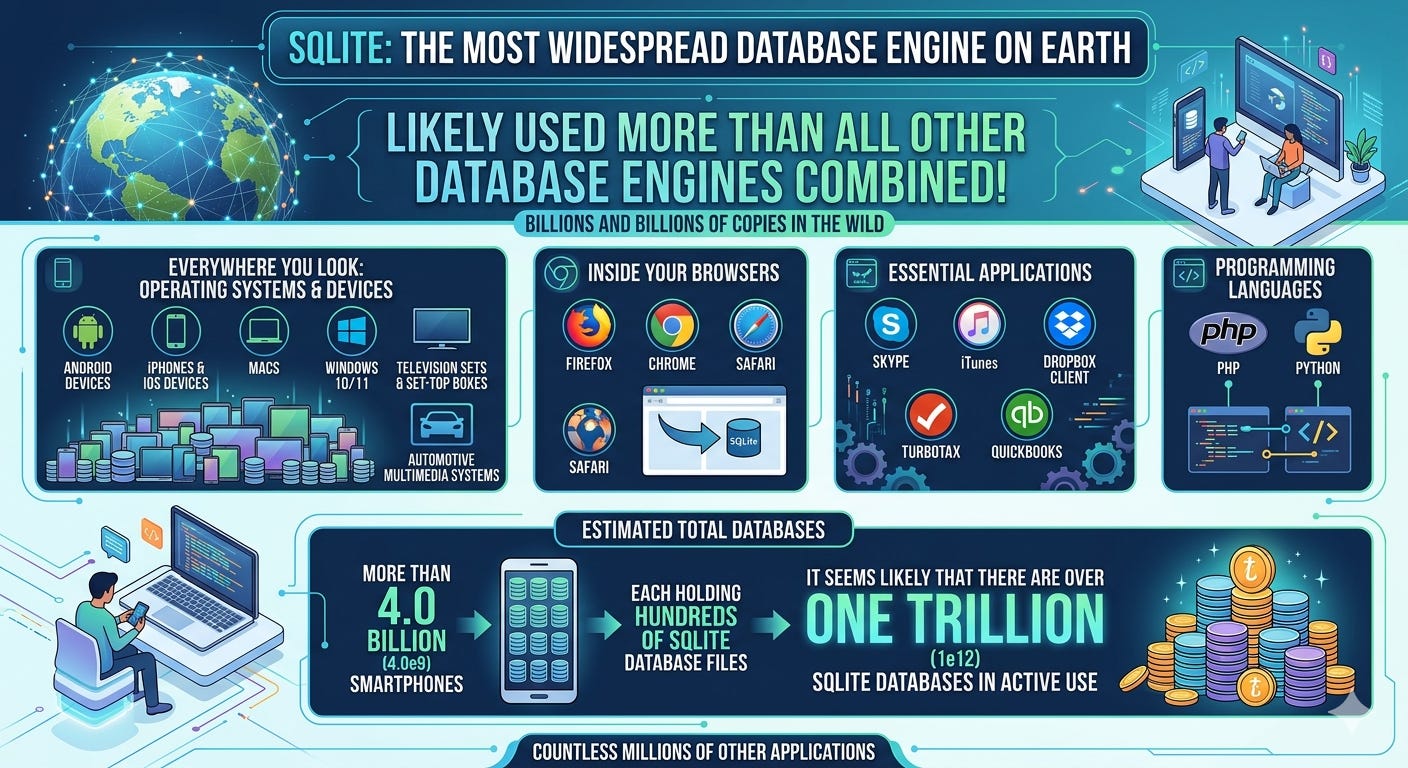
While you would expect the most used to be among the last four, the prize goes to SQLite, with an estimated one trillion databases in active use.
For an embedded (so resource-constrained), offline solution, it is hard to compete with SQLite when we consider the features that it offers. No wonder that it is used by Android/iPhone and set-top devices.
YAML Resume
This may fall outside the regular article I comment on here, but I find it cool nonetheless.
Except for some more complex diagrams, I have been favouring the diagrams-as-code approach for a while. PlantUML and Mermaid are the go-to formats that I can define alongside my markdown files and publish without worrying about the images getting out of sync.
On top of that, LLMs seem to do a good job interpreting them better as code than images (besides costing fewer tokens).
What does this have to do with YAML Resume? Well, it is an interesting tool that enables you to generate professional-looking PDFs with typesetting from a YAML file.
It is nice how it uses the separation of concerns and keeps your document in plain text, easily version-controlled, while leveraging LaTeX for the final generation.
The project is still evolving, but consider checking it out here.